What's the deal with concrete cracking? Is it normal?
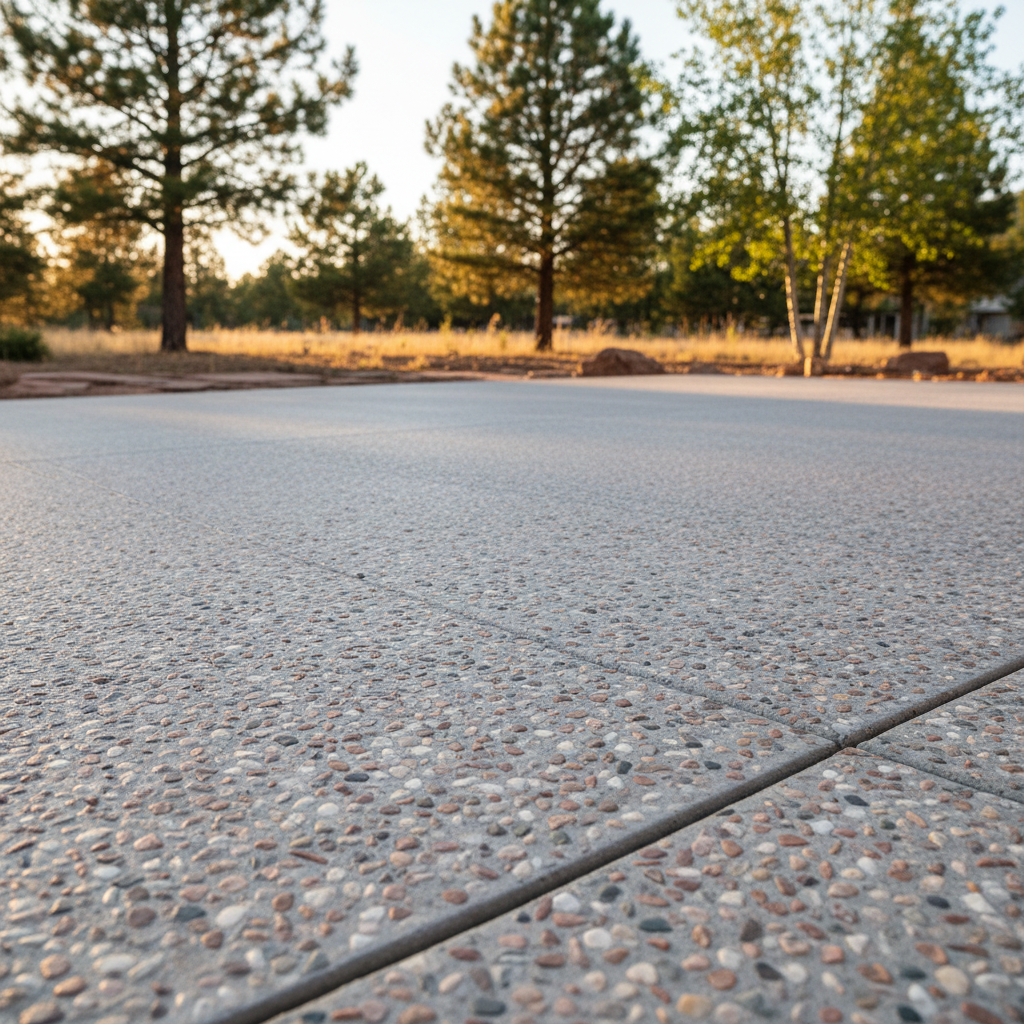
Okay, let's just get this out of the way: concrete cracks. It just does. It's not a matter of if, but when and how much. Now, before anyone panics, most cracking is totally normal and doesn't mean your concrete is failing. Concrete shrinks as it dries and cures, and that shrinkage creates stress. We deal with this by putting in control joints – those lines you see cut into a new slab. These joints are designed to create a weakened plane. So, if the concrete is going to crack (and it usually will), it cracks in a nice, straight line right where we want it to, instead of meandering all over your beautiful new patio.
The important thing is to tell the difference between normal shrinkage cracks and structural cracks. Hairline cracks in control joints? Those are perfectly fine. But if you see a crack that's wider than a credit card, or one where one side is significantly higher than the other, or if it's running through the middle of a slab and not near a joint? That's when you might have a bigger issue, often related to problems with the ground underneath or improper installation. If you're ever worried, shoot me a picture. I'll give you my honest take.
How long does concrete take to cure, and when can I use it?
This is a big one, and people often get impatient, which can cause real problems. Concrete doesn't just dry; it cures. That's a chemical process that strengthens it over time. While it might look dry on the surface after a day or two, it's still gaining strength. Generally, you can walk on new concrete after 24-48 hours, but I always tell folks to give it at least 72 hours if you can. For light vehicle traffic, like parking your car on a new driveway, you're looking at 7 to 10 days. For heavy trucks or equipment, you really need to wait the full 28 days for it to reach its design strength.
Here in Flagstaff, our cooler temperatures, especially in the spring and fall, can slow down that curing process a bit compared to, say, Phoenix. So, patience is key. Don't rush it; you'll thank yourself later.
What's the best way to protect my concrete from Flagstaff's weather?
Our weather here is no joke, right? Freezing and thawing cycles, snow, ice, de-icing salts – it all takes a toll. The absolute best thing you can do for your concrete is to seal it. A good quality penetrating sealer will protect against moisture getting in, which is what causes a lot of the spalling and surface damage from freeze-thaw. It also helps resist stains from oil, grime, and even pine needles.
I recommend sealing new concrete within the first year, and then every 2-3 years after that. It really depends on how much traffic it gets and how exposed it is. Just make sure the surface is clean and dry before you put it on. Also, be careful with de-icing salts. Calcium chloride-based products are generally safer than rock salt (sodium chloride), which can be pretty harsh on concrete. Shovel early and often, and use sand for traction if you can.
My concrete looks dull and dirty. Can it be cleaned or restored?
Absolutely. Concrete is tough, but it can definitely get grimy over time. For general dirt and grime, a good pressure washing with a mild detergent is usually all it takes to bring it back to life. You'd be surprised what a difference it makes. Just be careful with the pressure washer, especially on older or more porous concrete; you don't want to etch the surface or blow out aggregate.
For tougher stains like oil, rust, or efflorescence (those white powdery deposits), there are specific cleaners designed for each. You might need to do a bit of scrubbing, but most stains can be significantly lightened or removed. If your concrete is really old, pitted, or severely spalled, sometimes a thin overlay or resurfacing product can be applied to give it a fresh new look without the cost of a full tear-out and replacement. We do a lot of that kind of work at Flagstaff Concrete Group, giving old slabs a second life.
How thick should my concrete slab be? Does it really matter?
Yes, it absolutely matters! The thickness of your concrete slab is critical for its strength and how long it lasts, especially for things like driveways that see vehicle traffic. For most residential patios and sidewalks, 4 inches is standard. That's usually enough for foot traffic and light loads.
For a driveway, however, I always recommend a minimum of 4 inches, and often 5 or even 6 inches if you're parking heavier vehicles like RVs or trucks. The subgrade preparation underneath is just as important as the thickness. If your subgrade isn't properly compacted and stable, even a thick slab can crack and settle. Here in Flagstaff, with our varied soil conditions – from volcanic cinders to clay – proper subgrade work is non-negotiable. Don't skimp on thickness or prep; it's a foundational element of the job.
What's the typical lifespan of concrete flatwork?
When it's installed right and properly maintained, concrete flatwork can last a really long time. We're talking 20, 30, even 40 years or more for a well-built driveway or patio. I've seen some old sidewalks in the historic downtown area that are still doing their job after decades.
The biggest factors influencing lifespan are the quality of the installation (that means proper subgrade prep, the correct mix, adequate thickness, and good finishing), and then how well you take care of it. Regular cleaning, timely sealing, and avoiding harsh de-icing chemicals will significantly extend its life. Neglect, on the other hand, can cut that lifespan in half. Think of it like a good roof – it needs a little attention to last as long as it's designed to.