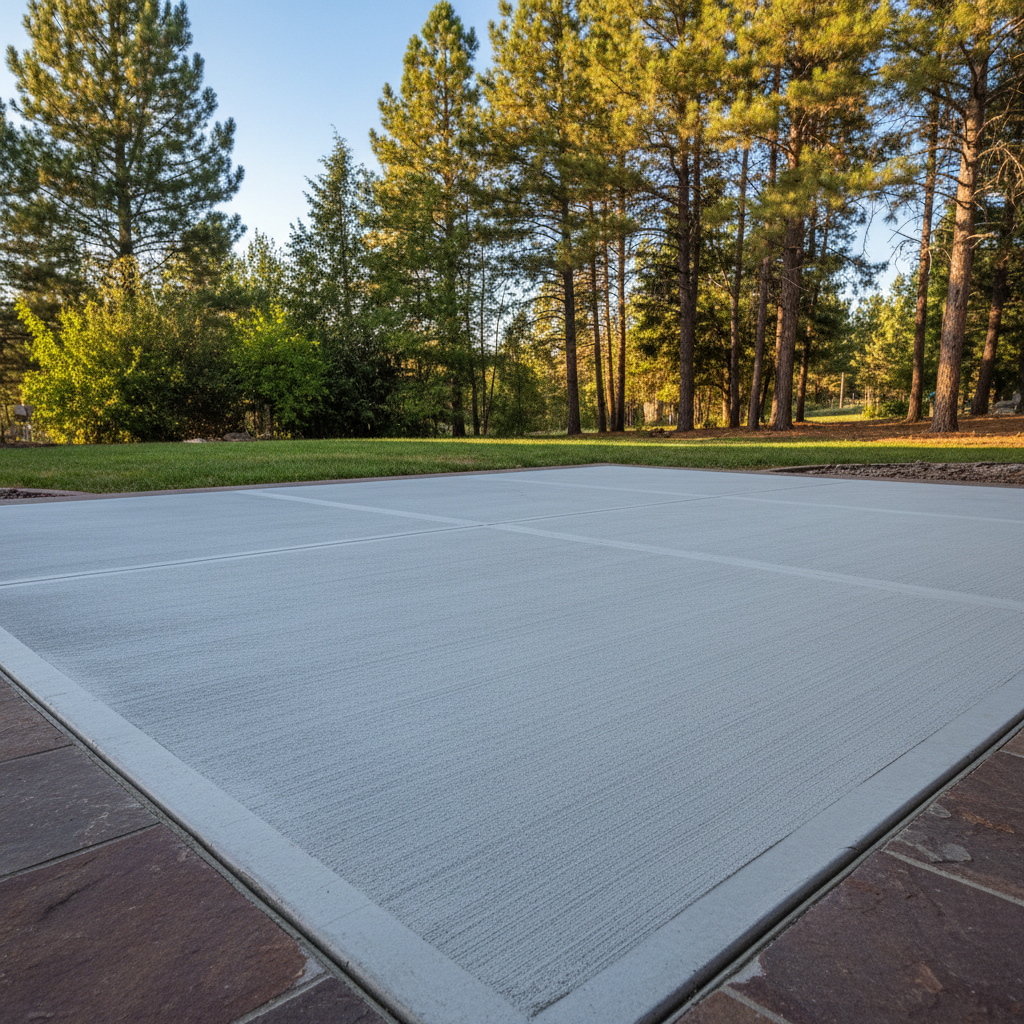
Thinking About a Concrete Project?
So, you're looking at that tired old patch of dirt or cracked walkway and thinking, "New concrete!" That's a great idea. Concrete's tough, looks good, and adds real value to your home. But before you dive in, let's be real about what a concrete project actually entails, especially here in Flagstaff. It's not just mixing a bag and pouring it out. There's a lot more to it, and understanding the process will save you headaches, money, and maybe even a trip to the chiropractor.
Before You Start: Planning & Prep
This is where most DIY projects either succeed or fail. Good prep is everything. First off, what are you pouring? A small stepping stone? A new patio? A driveway? The scale matters big time. For anything beyond a small, decorative pad, you're going to need to think about excavation. You can definitely handle digging out a small area yourself if you're up for some serious sweat equity. Renting a mini-excavator might be an option for bigger jobs, but operating one takes some skill.
Next, consider the sub-base. You can't just pour concrete on bare dirt, especially with our expansive clay soils around areas like Cheshire or Doney Park. That ground moves, freezes, and thaws, and it'll crack your concrete faster than you can say "jackhammer." You need a good, compacted aggregate base – usually 4-6 inches of crushed rock. You can spread and compact this yourself with a plate compactor (another rental item), but getting it perfectly level and sloped for drainage is crucial. This is often where I see DIYers get into trouble. If your base isn't right, your concrete won't last.
Formwork is another big one. Building sturdy, level forms that can hold wet concrete without bowing out takes precision. For simple square or rectangular slabs, you can probably manage this with 2x4s or 2x6s, stakes, and screws. But if you're looking for curves or anything complex, that's where a pro's experience really shines.
The Pour: Here's Where It Gets Tricky
Okay, you've prepped, you've got your forms. Now for the concrete itself. For small jobs, you can mix bags of concrete yourself. Just follow the directions, don't add too much water, and be ready for a workout. But if you're pouring anything bigger than, say, a 4x4 foot pad, you're going to need to order ready-mix concrete from a truck. This is where things get serious.
A concrete truck doesn't wait. When it shows up, you've got a limited window – usually an hour or two, depending on the mix and the weather – to get that concrete out of the truck, into your forms, and leveled. This is not a one-person job. You'll need at least two or three strong people who know what they're doing. You'll need shovels, rakes, screeds, floats, and edgers. Getting it level, getting the air bubbles out, and getting a smooth finish takes practice. If you've never done it, your first attempt might look a bit... rustic. For anything that's going to be a focal point or take heavy traffic, like a driveway, this is definitely a job for Flagstaff Concrete Group or another experienced contractor.
After the Pour: Curing & Care
You've got the concrete down, you've finished it. Now what? You can't just walk away. Proper curing is essential for strength and durability. This means keeping the concrete moist for at least 3-7 days, sometimes longer depending on the mix and the weather. You can do this by misting it regularly, covering it with plastic sheeting, or using a curing compound. Don't let it dry out too fast, especially in our dry Flagstaff air, or it'll crack. And whatever you do, keep heavy traffic off it for at least a week, preferably longer for driveways.
When to Call a Pro (Seriously)
Look, I'm all for homeowners tackling projects. It's rewarding. But concrete is unforgiving. If you mess up the prep, the pour, or the finish, it's not an easy fix. You can't just paint over it. You're looking at breaking it out and starting over, which is way more expensive and frustrating than hiring someone in the first place.
Here's my rule of thumb: If it's a small, non-structural pad, maybe a garbage can stand, and you don't mind if it's not absolutely perfect, go for it. But if it's a patio you'll be entertaining on, a walkway you'll use daily, or especially a driveway that needs to handle vehicles and our crazy winter freeze-thaw cycles, call a professional. We've got the tools, the crew, and the know-how to get it done right the first time. We understand the specific challenges of pouring concrete at 7,000 feet, whether it's dealing with cold snaps or ensuring proper drainage on a sloped lot.
Investing in a professional concrete job means you'll have a durable, attractive surface that lasts for decades, not just a few seasons. It's peace of mind, and sometimes, that's worth every penny.